 FUL1
FUL1 MAN1
MAN1 BOU0
BOU0 LIV1
LIV1 LEE0
LEE0 CRY0
CRY0 MNC5
MNC5 SUN3
SUN3 NFO0
NFO0 COV1
COV1 BHA3
BHA3 ARS0
ARS0 EVE1
EVE1 IPS0
IPS0 NEW2
NEW2 HUL1
HUL1 TOT2
TOT2 AVL3
AVL3 NOR3
NOR3 BOL4
BOL4 WOL1
WOL1 WBA0
WBA0 BIR2
BIR2 MID2
MID2 BUR1
BUR1 DER1
DER1 LCN1
LCN1 SWA2
SWA2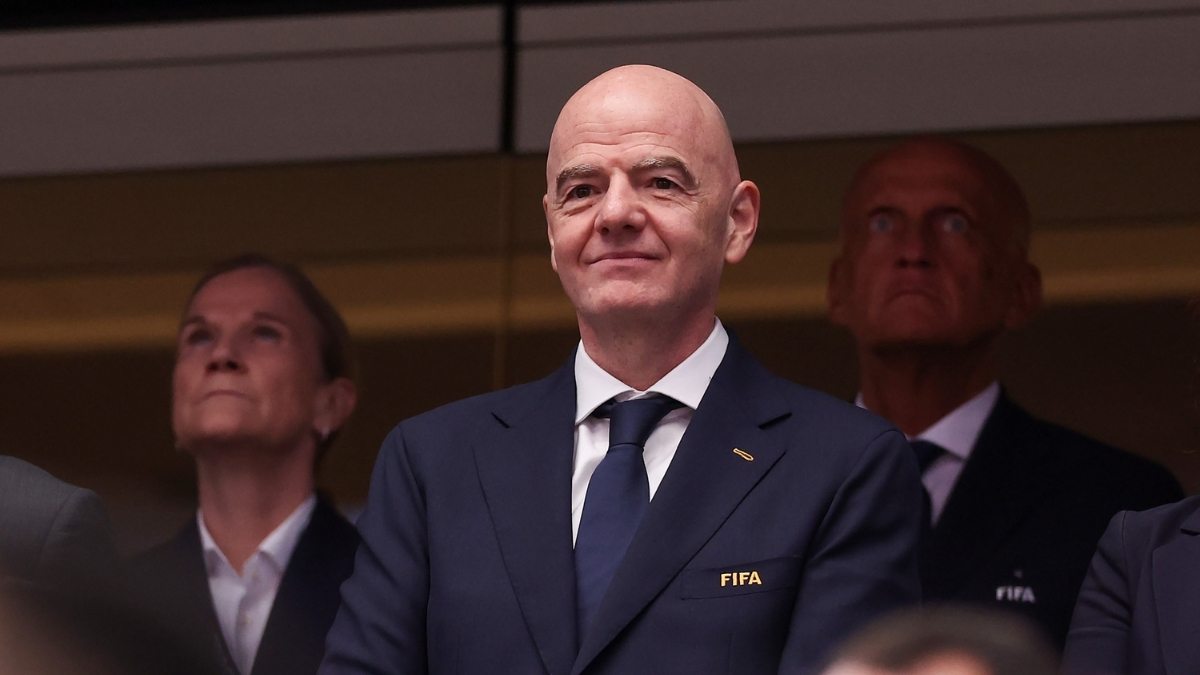
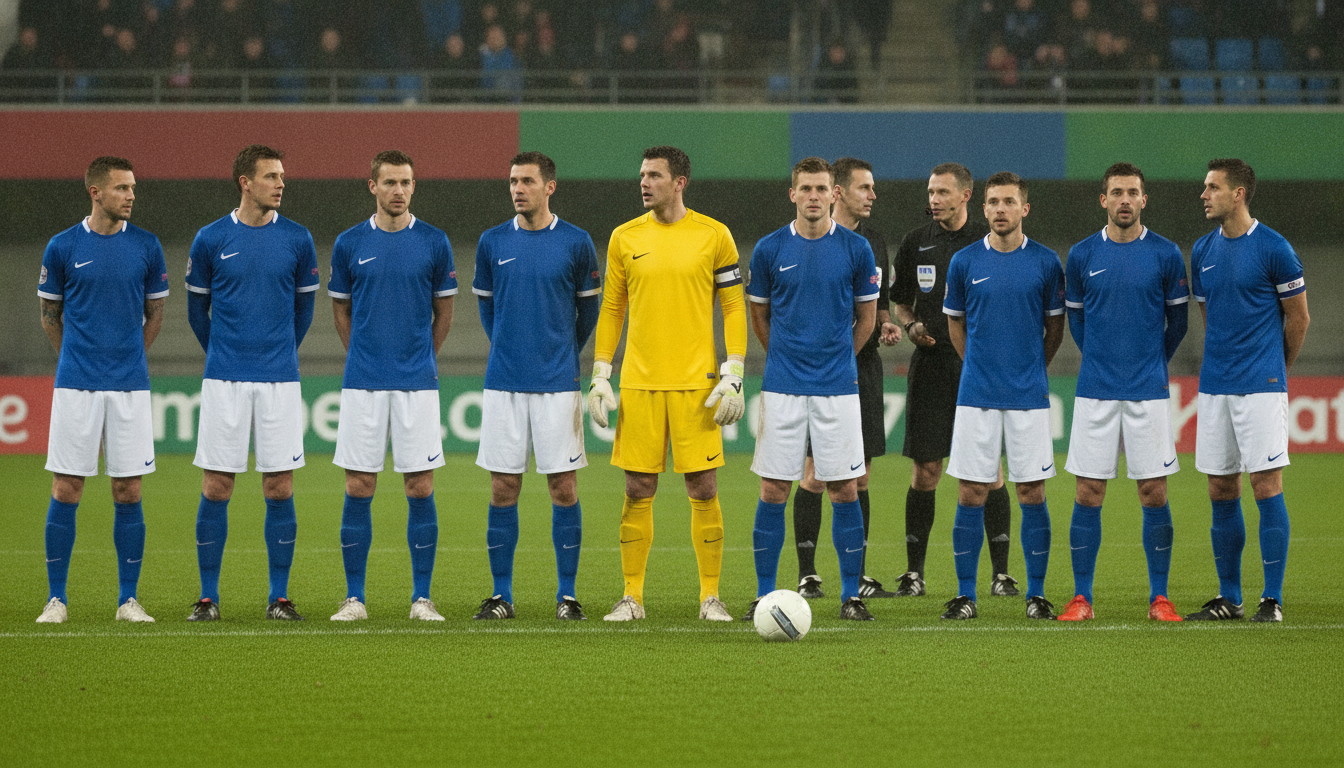
Photo: mykhel.com
Football's civil war is getting louder
FIFA has gone on the offensive. In a statement issued on 8-9 August, the governing body defended Gianni Infantino as 'democratically elected' and alleged a 'concerted and ongoing effort' to undermine both the president and the organisation itself — a thinly-veiled shot at UEFA and prominent figures within European football. This isn't background noise anymore. This is a full-blown institutional crisis, and the sport's two most powerful bodies are now openly at war.

What FIFA actually said
The statement, reported by The Guardian, stops short of naming UEFA directly — but the target is not exactly hidden. FIFA's language is pointed: a 'concerted and ongoing effort' to destabilise its leadership, framed against the backdrop of Infantino's democratic mandate. The implication is clear. Someone, somewhere in the European football establishment, is pushing back hard — and FIFA wants the world to know it.
What specifically triggered this latest escalation isn't fully confirmed from available sourcing. UEFA's full position hasn't been laid out publicly. What is confirmed is that FIFA felt the need to go on record, loudly — a signal of just how strained relations between the two bodies have become.
Why this matters beyond the boardroom
FIFA and UEFA being at loggerheads isn't just an administrative headache — it has real consequences for how the game is run, who runs it, and what competitions look like in the years ahead. The expanded Club World Cup, the calendar dispute, broadcast rights, the relationship between confederations and the global body — all of it sits in the middle of this tension.
Clubs, particularly the biggest European ones, have long operated in the space between FIFA's global ambitions and UEFA's continental authority. When those two bodies are pulling in opposite directions, clubs get squeezed — and so do players, who are already dealing with a fixture calendar that has been stretched to its limit.
FIFA wants to grow its footprint. UEFA wants to protect its product. Neither is entirely wrong. The problem is that neither appears willing to give ground.
The bigger picture
Infantino has been a divisive figure since taking over from Sepp Blatter in 2016, and his relationship with European football's establishment has never been warm. The expanded World Cup format, the Saudi Arabia deal, the Club World Cup restructure — each one has drawn resistance from within Europe, and each one has widened the fault lines.
This latest statement reads less like a defence and more like a declaration. FIFA is not backing down. Whether UEFA responds in kind, or lets the statement hang in the air, will tell us a great deal about where this goes next.
The last time world football governance fractured this visibly, it ended careers and triggered criminal investigations. Nobody is suggesting that's where this leads — but the timing matters: issuing a statement like this in August 2026, mid-tournament cycle, suggests FIFA believes the pressure on Infantino is not going away and wants to get ahead of whatever comes next. UEFA's silence, if it holds, may be the most telling response of all.
Sources1 source
Flagside's editors read every piece we publish. We work from the football press, write our own copy rather than reprinting anyone's, and check each article for accuracy and sourcing. Every outlet that fed into this piece is named under Sources.

The day's football, in your inbox at 7 AM. Nothing else.
Pick of the night's matches, what the transfer window's doing, and the one column you should read today. No ads. No tips. No operators.
One-click unsubscribe. We do not share emails.
Comments
Loading comments…