
 FUL1
FUL1 MAN1
MAN1 BOU0
BOU0 LIV1
LIV1 LEE0
LEE0 CRY0
CRY0 MNC5
MNC5 SUN3
SUN3 NFO0
NFO0 COV1
COV1 BHA3
BHA3 ARS0
ARS0 EVE1
EVE1 IPS0
IPS0 NEW2
NEW2 HUL1
HUL1 TOT2
TOT2 AVL3
AVL3 NOR3
NOR3 BOL4
BOL4 WOL1
WOL1 WBA0
WBA0 BIR2
BIR2 MID2
MID2 BUR1
BUR1 DER1
DER1 LCN1
LCN1 SWA2
SWA2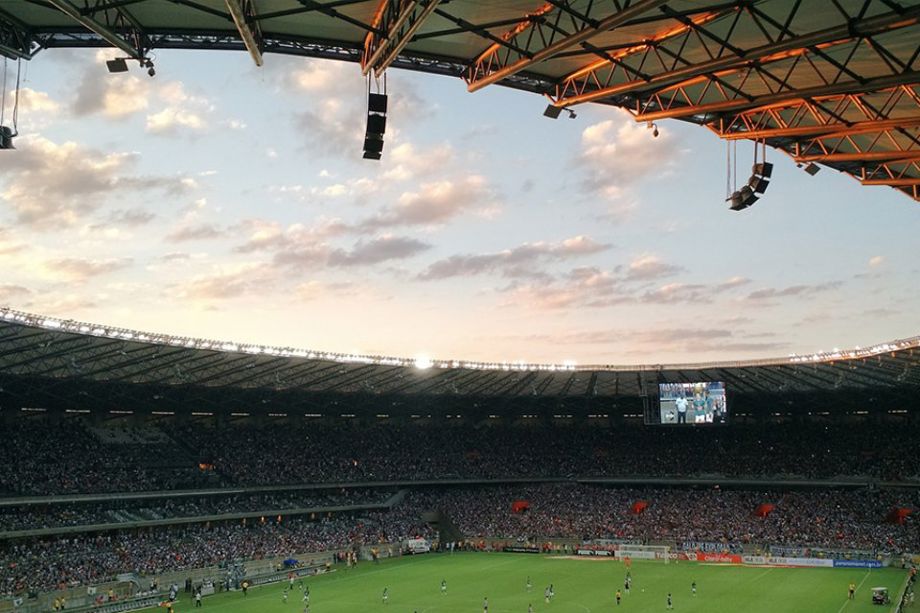
Photo: devdiscourse.com
The boycott question FIFA doesn't want asked
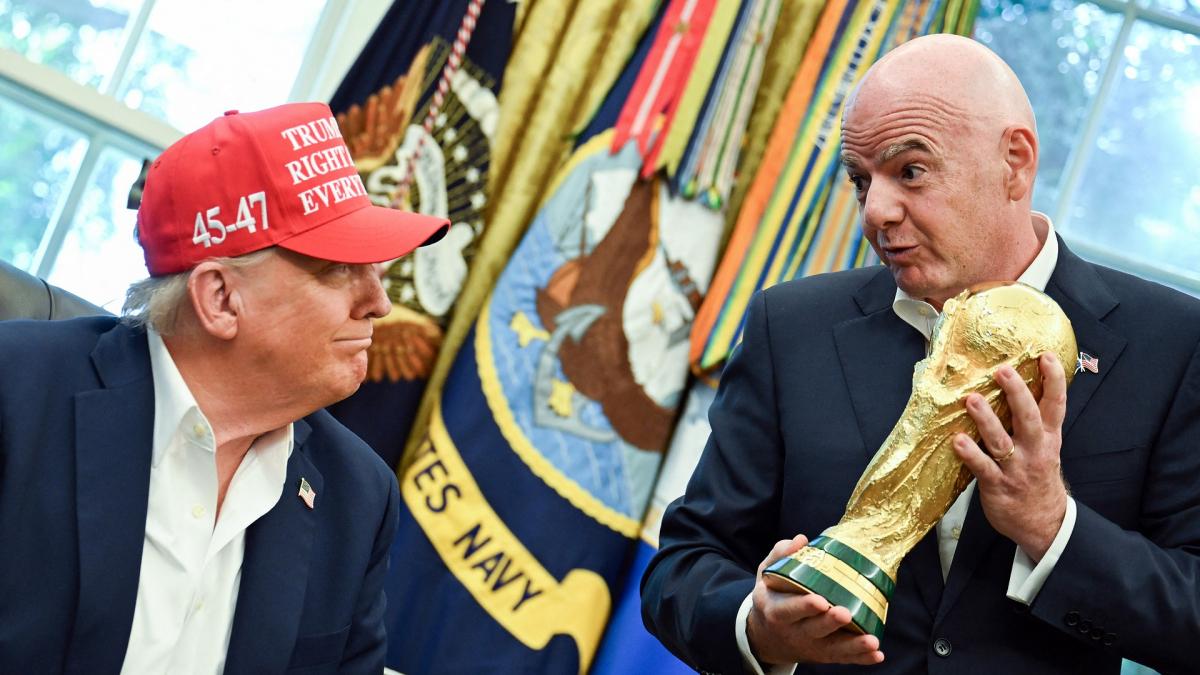
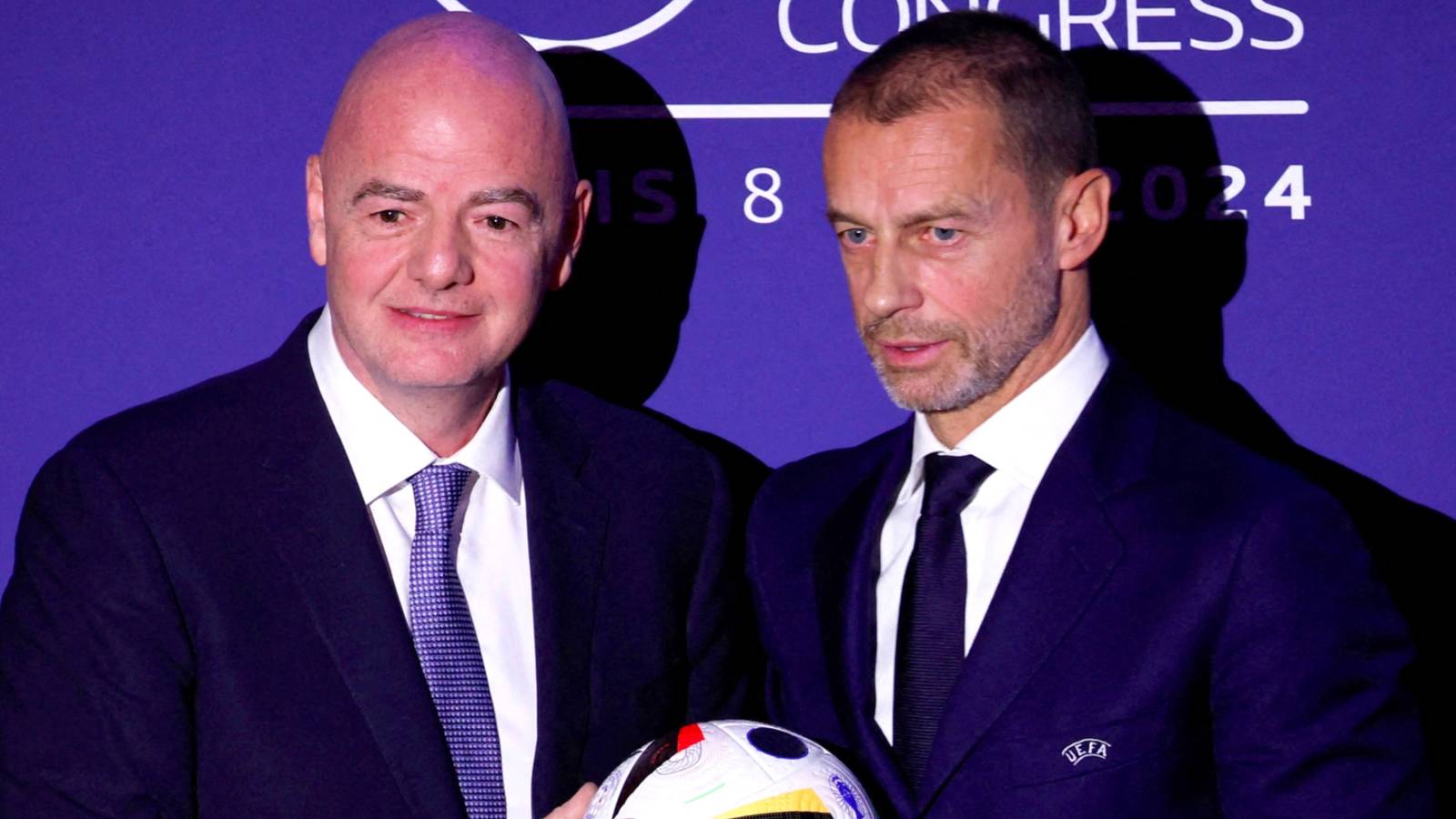
Gianni Infantino, president of the most powerful organisation in world football, recently advised women in the game to convince men what to do, in remarks reported by The Guardian. That quote is doing a lot of work right now. Writing in The Guardian, columnist Tom Garry argues that a boycott of the Women's U20 World Cup, painful as it would be in the short term, might be the sharpest tool women's football has left when it comes to forcing FIFA into genuine accountability.

What Garry is actually arguing
This is an opinion column, not a confirmed news story. No nation or player group has formally announced a boycott threat at the time of writing, and Garry's piece is a hypothetical argument, not a report of an organised movement. That distinction matters. But the argument itself is worth taking seriously: the prize money gap between the men's and women's games, the scheduling conflicts that still dog the international calendar, and the absence of women in FIFA's senior decision-making rooms are not hypothetical. They are documented and current.
The core of Garry's case, as reported by The Guardian, is that collective action and leverage are the only language FIFA reliably responds to. Women's football stakeholders, he argues, have spent years making polite requests through the correct channels. The governance gap, in prize money, infrastructure, scheduling and representation, has not closed at anything like the pace the sport's growth would justify.
Infantino's quote does most of the damage
The patronising remark attributed to Infantino, in remarks reported by The Guardian, telling women their job is to convince men, is the kind of line that tends to follow a person around for a while. It frames the power dynamic with unusual clarity: FIFA holds the structure, and women in football are expected to work within it, persuading the people who built that structure to change it. Garry's column uses it as a springboard to ask whether working within the structure is still a viable strategy at all.
He didn't need to make the argument very loudly. Infantino made it for him.
Why the boycott framing is significant
A boycott of a FIFA women's tournament would be a genuinely unprecedented act of collective leverage. It would hurt players, coaches and the young athletes who have worked to qualify. Garry acknowledges that cost directly, which is what separates the argument from empty posturing. The point is not that a boycott would be painless, it is that the alternative, continuing to accept the current terms, carries its own long-term cost.
Whether any team or federation is actually moving in this direction is, for now, unconfirmed. The story to watch is whether Garry's hypothetical finds an audience among the people with the actual power to act on it.
What comes next
Opinion columns in major outlets sometimes function as trial balloons, testing whether an idea has traction before it becomes a formal position. This one lands at a moment when women's football has more commercial weight, more visibility and more organised player representation, through bodies like FIFPRO's women's working group, than at any previous point in the game's history. No team or federation has moved yet. But the opening line belongs to FIFA's own president.
Sources1 source
Flagside's editors read every piece we publish. We work from the football press, write our own copy rather than reprinting anyone's, and check each article for accuracy and sourcing. Every outlet that fed into this piece is named under Sources.

The day's football, in your inbox at 7 AM. Nothing else.
Pick of the night's matches, what the transfer window's doing, and the one column you should read today. No ads. No tips. No operators.
One-click unsubscribe. We do not share emails.
Comments
Loading comments…